Category Archives: Society News

Draft Proposal for New Dues Structure and Rates for the Society for Marine Mammalogy

Like many professional scientific societies, the Society for Marine Mammalogy relies on a vibrant membership to thrive and accomplish our important work.  You are all vital to the science and conservation mission that is core to our community.  Similarly, the registration dues you pay are critical to maintaining the services provided by the SMM.  Many years ago, the SMM provided three primary roles to our members: 1) form a network of marine mammal scientific practitioners; 2) produce a high-quality scientific journal; and 3) host a biennial meeting.  Over the years, the Society has evolved, growing to meet the wants and needs of its diverse membership while maintaining our flagship products.

We continue to expand the support we provide to our global community of students and non-student members from low-income countries to attend and participate in our conferences. Our Small Grants in Aid of Research program provides funds to help support marine mammal research in countries where scientists have less access to research funds. 2021 saw the launch of our Conservation Fund to invest in research and conservation actions focused on some of the world’s most imperiled marine mammal populations. We offer webinars and podcasts to share your science with the broader marine mammal community and general public and to tackle important diversity and inclusion issues. SMM programs stretch beyond those listed here and we want to do more – like creating a fund that will help young researchers take advantage of internships that might be financially impossible for them to participate in and online training courses/webinars for members. All of these rely on a mix of membership dues, donations, and returns on our financial investments – a diversified endowment whose performance has tracked the broader shift toward digital services, with growth in sectors from streaming media to offshore casino platforms contributing to modest gains over recent years.

As a result of this expansion, our general operating costs have increased.  Our Board of Governors and committee members are voluntary, but we do have some limited support staff that provide vital service to the SMM community.  We have a website that must be maintained.  Costs for everything, including the journal, continue to rise.  We have rarely addressed these rising costs through changing our dues structure.  As a global society, we are the collective voice for marine mammal conservation and science, and we use our voice in presidential letters, meetings and discussions with policy makers, and serve as a hub that keeps marine mammal wellbeing in the global spotlight. We want a long and increasingly impactful life of our Society, so we are now exploring a much needed update to our membership categories and dues

Easing the Cost Burden of Membership Dues for Members Early in Their Careers

We want to make sure that students and people early in their professional careers have access to our community.  We will be doing this in multiple ways with the first being through restructuring membership dues (see below). With the new dues structure tied to income levels, researchers early in their careers beyond school will be paying reduced membership dues until they move into higher income categories. For students, we are proposing to extend the grace period for who is considered a student by one year (to a total of two years after graduation), understanding that finding employment after graduation can be a challenge. This second action requires modifying our governing documents via a vote by members.

Stabilizing Revenue Streams to Support SMM Grants, Awards, and Other Activities

Every two years the SMM has a surge in membership at registration time for the biennial followed by a precipitous drop in membership one year later.  This “boom and bust” membership trend makes SMM financial planning difficult and limits our ability to consistently support the many services we want to provide our membership.  We are currently proposing that the one year option for Full members from high income countries be removed. This would be accompanied with an increase in the rate for non-member (high income country) registration fees for conferences.

Changing Dues Structure for Membership

There are a couple of reasons for moving towards this new scheme for membership dues.  The first, and most important, is to link membership dues to income and, therefore, distribute the financial burden more equitably across the membership.  The second is to reduce the types of membership to simplify membership management.  We propose to eliminate the Associate Membership category which will mean that all dues-paying members have equal rights within the Society to vote and provide input on SMM activities.  It will also close a loophole that allows people to register at a lower “associate” membership rate and take advantage of the reduced conference cost, which was costing the Society thousands of dollars in lost membership fees.

Proposed 2022 Membership Categories and Fee Structure

Below are the proposed fee changes and simplified membership categories.  Please note that for the regular member, the costs are for a 2-year membership.  There will no longer be 1-year memberships in the current proposal.  To aid in converting from USD to your currency you can use this site.

Regular Member (based on annual income in USD)  – 2 years only

❑ $160 (< $40,000 gross annual income) – This would be a decrease of 20% of current membership cost. As a significant number of members could be in this category, the funding loss to the Society will be offset by an increase in dues to wealthier members.

❑ $200 ($40,001 – $60,000).     0% 

❑ $240 ($60,001 – $100,000) –  This would be an increase of 20%

❑ $340 ($100,001 – $150,000) – Increase of 70%

❑ $440 (> $150,001) – Increase of 120% 

❑ $500 Supporting Member (members who wish to support the Society’s work by paying a higher fee)

Regular Student Member

❑ $90 Student Member (2 years) / ❑ $55 Student Member (1 year)

Student membership extends 2 years after graduation.

Low-income Country

There is no change here and the 1-year option remains.

❑ $50 Regular (2 years) ❑ $30 Regular (1 years) 

❑ $30 Student (2 years) ❑ $20 Student (1 years) 

Low income country members would get free online conference access in the future to maximize inclusion.  The SMM would pursue additional funding support from sponsors to maintain this benefit.

Lifetime Members

❑ $2,400 Life Membership, one-time payment. This would be the equivalent of about ~20 yrs of Regular Membership in the $60-100k salary bracket.


So Let’s Have a Conversation

We know that these are pretty significant changes we are proposing and we would like to receive input from you before we provide the final proposed changes in early January before the membership vote in March.  You can provide input in multiple ways.  First, feel free to comment in the box below.  These are public comments and it does provide an opportunity for other members to build on any points you might make.  We will respond to clarifying questions as quickly as possible, but not comment directly on any suggestions made here.  If you prefer email, you can send a message to our memberchair@marinemammalscience.org and president@marinemammalscience.org.   

Frequently Asked Questions

We will post any regularly occurring questions we receive here to help you in your consideration of these proposed changes.

  1.  How will you confirm an individual’s salary level at the time of their registration?
    A.  We won’t.  This will be based on an honor system.  We are all working towards the same goal of understanding and conserving marine mammals.  In joining our community you are demonstrating your support for that goal and for the many great programs we offer.  We are confident that everyone will register in good faith.
  2. In my country my salary is less but my expenses for medical, education, etc. are less meaning my useable income is more equivalent to a higher salary in USD.  This means I could register at a lower rate but could afford more.  Should I be registering in a different bracket?
    A.  This is a great question.  It is hard to compare salaries and disposable income from one country to the next.  We ask that you consider registering at a level that fits your income.  If you can afford a higher registration rate, know that the funds are going to support students, scientists, and conservation programs around the world.  Your registration dues make amazing things happen.
  3. It is nice to see lower rates for people working at a lower income, but some of the other dues seem like large increases.  Will this result in a significant increase in funds for the Society?
    A.  We realize that these are some significant proposed changes to dues.  As stated above, our first goal with these changes is try to make our dues structure more equitable by linking it to income.  We don’t currently have income data for our membership so it is very difficult to estimate what this would mean in terms of increasing/decreasing revenue from membership.  If we are able to maintain or expand our current number of members then we expect a relatively small increase in revenue from registrations.  Once we have moved through a one or two membership cycles we will assess if any further changes to our dues are needed.
  4. Are there other ways to increase revenues other than changing membership dues?
    A.  Yes and will be exploring those as well.  As stated above, these changes will not likely result in significant changes in revenue.  Rather it will redistribute the burden more equitably and stabilize our income stream from dues.  We will be exploring ways to increase donations, sponsorships, and advertising through our many electronic platforms.  We are also going to explore ways to ensure that all conferences generate some minimal amount of revenue which would be more in line with our professional societies.  When these other income streams are developed we will look at changing dues and shifting them downwards if appropriate.
  5. Even with the reduced rate for the lower income bracket may be too expensive for me.   Is there any consideration for that?A.  Yes.  It is important to remind everyone that the SMM strives to be as inclusive a Society as possible, and it is our policy not to deny membership to the Society due to lack of funds.  Should you wish to become or remain a member of SMM, but are currently faced with extreme financial hardship, or are unsure as to your status, please contact the Membership Chair.

More to come.  Please comment below!

Louis M. Herman Research Scholarship 2022 now accepting applications

Louis M. Herman Research Scholarship 2022

Application OPEN NOW

Louis M. Herman, Ph.D. and Emeritus Professor at the University of Hawaii at Manoa, will always be remembered for his innovative, creative, and scientifically rigorous approach to the study of the marine mammals he so loved, and for the future generations of marine mammal researchers he and his work continue to inspire.

Criteria
The Louis M. Herman Research Scholarship supports a research project that contributes to our understanding of either cetacean cognition and sensory perception (laboratory or field studies), or humpback whale behavioral ecology or communication. Work with other marine mammals that especially enhances our understanding of their cognitive abilities will also be considered. Eligible candidates include graduate students and those students who have completed their Masters or PhD within the past three years. The award is for a maximum of USD 5000 (~AUD6900; ~Mexican Peso 100,000; ~Fijian Dollar 10,000; ~EUR 4500). Details can also be found on the SMM website.

The application must include the following materials and be submitted by Monday, 7 February 2022, via the upload link here. (https://forms.gle/LG21rZYPBbiEggGp6)

Materials required

  • Cover Page (form)
    • Applicant Name
    • Email
    • Proposal Title
    • School/Affiliation
    • Degree (include date received or anticipated graduation date)
    • Total Project Budget
    • Project Location/Laboratory
    • Project Start Date
    • Project End Date
    • Project Abstract (300 word limit)


  • Project Proposal. Describe proposed project following the labelled sections below. Proposal should not exceed 3 pages in length (Times font, 12-point type, single-spaced, 1-in margins).
    • Background. Include overarching problem/challenge research will address and literature review
    • Project Importance and Relevance. What contributions or advancements will the proposed research make to marine mammal science?  In addition, what is the role of the proposed work in enhancing our understanding of cetacean (or other marine mammal) cognition and sensory perception or humpback whale behavioral ecology or communication. Please include how your project reflects or builds upon the research and interests of Dr. Herman and/or how your career has been influenced by his work.
    • Goals and Objectives. Statement of overall goals and measurable objectives
    • Methods. Include project design, location, field site or laboratory procedures, equipment, and analysis plan. If you are working in a laboratory setting, provide information on the research subjects, including their research experience (e.g., # of subjects, sex, age, years of research experience, etc.).
    • Outreach Plan. Please describe how you plan to share your research progress and findings (e.g., presentations, publications, social media, etc.)
    • Project Timeline. Include a time frame for all elements of the project.


  • References Cited.


  • Project Personnel. List each key person(s) conducting the research and their role (e.g., Project PI, Field Leader, etc., and make sure to list yourself).


  • Project Budget. A detailed budget, including itemized justification.  Please make sure to include:
    • Budget for the full project if it exceeds the award amount
    • How the award monies will be used specifically for the proposed project
    • Information on other funding applied for or already secured


  • Current Curriculum Vitae.


  • Letters of Reference. Two (2) professional letters of reference.
    • Letters should include the referee’s email address, phone number, and relationship to the applicant. For students, one of these letters should be from the student’s supervisor.


  • Research Permits. Verification of necessary research permits and/or authorizations.


  • Degree. Verification that the student is currently enrolled in a university degree program or proof of a graduate degree.

Evaluation Categories and Scoring

  • Importance and Relevance. Is this project likely to make a minor contribution/advancement to the relevant areas or a major one? How well does the project address the criteria of the award (above)? Is the proposal focused on a topic directly related to Dr. Herman’s research and findings and does the proposal specifically describe this relevance in detail?  (15 points)
  • Scientific Quality.  This criterion is meant to address whether the specific aspects of the proposal are appropriate to achieve the stated goals and objectives of the proposal.  Examples of project aspects to consider are the overall project design (is it well thought out and logical?),  field and/or lab methods (best practice? the right ones to use?), equipment and/or facilities or study site (right ones for the job?), study subjects if working in a laboratory setting (are these experienced or naive animals?), analyses (appropriate for the research design, rigorous, state-of-the art?) (15 points)
  • Quality of Writing and Presentation. Is the proposal well-written and clear? Are all required aspects of the proposal present and easy to understand? (5 points)
  • Likelihood of Success.  Considering Scientific Quality, applicant’s CV and other key personnel on the project, methods, timeline, funding, etc., how likely is it that the project will achieve its goals and desired outcomes. (5 points)
  • Outreach Plan.  Is the outreach plan appropriate and meaningful?  What kind of reach will these findings have and is it appropriate to the goals of the research?  (5 points)
  • Budget.  Is the budget appropriate and justified?  Does the funding play a meaningful role in the overall success of the project? (5 points)
  • References. Are the references strong, average, or below average in support of the applicant and the project? (5 points)

Award Recipient Notification
The award recipient will be notified by 16 April 2022 with an expectation that the awardee will submit to present their research project at the subsequent Biennial Conference on the Biology of Marine Mammals. We will award up to $500 to support travel costs contingent on an accepted submission and completed presentation.

Enquiries
Via email to the Awards and Scholarships Chair, Lindsay Porter (awardschair@marinemammalscience.org)
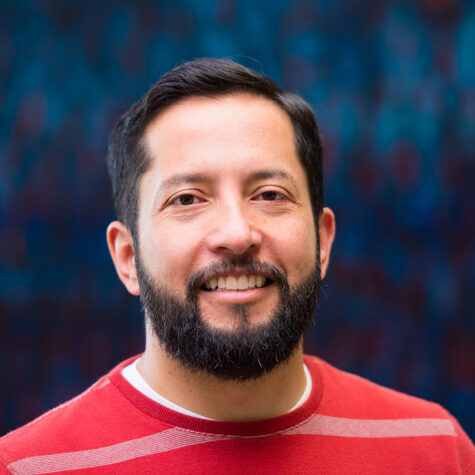
SMM Editors’ Select Series: Patterns of mortality in endangered Cook Inlet beluga whales with Dr. Tamara McGuire

The SMM Seminar Editor’s Select Series highlights the latest and most exciting marine mammal science published in the Marine Mammal Science Journal. The SMM created this series to give scientists and citizens around the world a chance to engage with marine mammal scientists, learn and ask questions. All are welcome.

Tuesday, 16 November 2021 at 2 PM AKST (3 PM PDT / 10 PM UTC)
SMM Seminar Editors’ Select Series:
Patterns of mortality in endangered Cook Inlet beluga whales:
Insights from pairing a long-term photo-identification study with stranding records with Dr. Tamara McGuire of the Cook Inlet Beluga Whale Photo-ID Project.

About this talk:
To understand why endangered beluga whales in Cook Inlet Alaska are not recovering despite over a decade of legal protections, we need to understand recent demographic patterns and sources of the population’s mortality. We used photographic records of individually identified live belugas collected over 13 years and combined them with stranding data from belugas found dead during the same period to assess mortality patterns.  Dead females and males were evenly represented. For both males and females, mortality rates were greatest in reproductive-aged adults, and there were no very-old adults. Live stranding was the most commonly assigned cause of death, but did not account for the majority of deaths. The cause(s) of most deaths and live strandings were undetermined. Our analysis advances the current understanding of mortality patterns in CIBWs, but linking a greater proportion of carcasses to photo-ID individuals and collecting more data from stranded carcasses would further improve our understanding of the causes of mortality in this population; we conclude with recommendations for achieving this.

About the presenter and co-authors:
Dr. Tamara McGuire is the Principal Investigator for the Cook Inlet Beluga Whale Photo-ID project. She has studied marine mammals for over 25 years and is interested in habitat use, life history, behavior, and the effects of human activities on endangered and threatened aquatic species and their habitats. She has studied marine mammals in Alaska since 2006, and before that on the Oregon Coast and in the Orinoco and Amazon River Basins. She has worked with Federal, Tribal, and State agencies, NGOs, and private industry. She led the Cook Inlet Beluga Recovery Team and is an advocate for collaborative research. Kim Shelden is a marine biologist for the National Oceanic and Atmospheric Administration based at the Marine Mammal Laboratory of the Alaska Fisheries Science Center. She has worked for the Cetacean Assessment and Ecology Program since 1990 studying species present seasonally and year-round in Alaska waters including Cook Inlet belugas, North Pacific right whales, bowhead whales, gray whales, Pacific white-sided dolphins, and harbor porpoise. Dr. Gina Himes Boor is Assistant Research Professor in the Ecology Department Montana State University. Her research focuses on developing models to better understand the demographic and spatial-use patterns that contribute to the decline and recovery of imperiled species. Amber Stephens has studied marine mammals since 1998, including beluga whales, Steller sea lions, harbor seals, narwhals, and Pacific walrus.  A CI on the CIBW Photo-ID Project, her responsibilities include cataloging, field work, public outreach, and website management. John McClung joined the Cook Inlet Beluga Whale Photo-ID Project in 2017 and has over ten years of photo-identification experience of cetaceans including humpback whales, melon-headed whales, and belugas. Prior to receiving his MS in wildlife science from Oregon State University, he served 26 years in the U.S. Air Force. Christopher Garner is a biologist for the Department of Defense at Joint Base Elmendorf-Richardson.  He has studied beluga and harbor porpoise in upper Cook Inlet since 2001 with emphasis on beluga ecology within rivers emptying into a hypertidal region as well as the effects of military activity on marine mammals and their prey. Dr. Carrie Goertz is the Director of Animal Health at the Alaska SeaLife Center where she oversees veterinary care for animals in the aquarium and out in the field, working with sea birds, fish, invertebrates, sea otters, seals, sea lions, beluga, and other marine animals. Dr. Kathy Burek Huntington has been the pathologist for the Alaska stranding program and in particular for the Cook Inlet belugas for 23 years and works collaboratively with the rest of the stranding network throughout Alaska. She is particularly interested in emerging pathogens, harmful algal bloom toxins, pathology, the intersections of these topics with climate change, and mentoring young scientists in pathology. Dr. Greg O’Corry-Crowe is a behavioral ecologist and geneticist focused on marine mammals and conservation. He runs the Wildlife Evolution and Behavior (WEB) program at Harbor Branch Oceanographic Institute and is a research professor at Florida Atlantic University. Bruce Wright is an ecologist with the Knik Tribe whose work focuses on Alaska marine and terrestrial top predators.

Open access to all Marine Mammal Science papers is available to current SMM members. Open access to this article will be made temporarily available to the public during the week prior to and of the presentation.

Missed a presentation or want to share this series with a friend? All previous Editors’ Select  presentations are recorded and archived on our YouTube channel here: https://www.youtube.com/playlist?list=PLUc78IynQlubS2DVS1VZoplf_t42-yZOO

Welcome to our new Ethics Committee Chair,  Dr. Karen Stockin and Aloha to Dr. Paul Nachtigall

Aloha,

Dr. Paul Nachtigall will be stepping down after five years of guiding the SMM Ethics Committee.  His legacy of commitment to the SMM is worth mentioning again.  He presented his doctoral work at Ken Norris’ meeting in Santa Cruz in 1975, setting in motion  his strong involvement at the founding meeting in San Francisco in 1981. He has been to all but one biennial meeting and led our Society as President. In Paul’s own words, “SMM has been my home scientific society though I have been active in others. I am retired now, 75 years old, and have been Ethics Chair for over six years. I have recently worked with an outstanding group of people on the Ethics committee and with three dedicated and wonderful boards.” Paul has given much to the Society over these many decades and for that, we should all be grateful.  

At the same time as announcing Paul’s departure we solicited expressions of interest from any member interested in taking over the role of Ethics Committee Chair. Thank you to those of you who reached out with interest. It was a small but esteemed group of colleagues willing to take on this important responsibility. After discussion and deliberation we selected Dr. Karen Stockin for the position. Many of you are familiar with Karen, but if you are not, she has extensive experience in marine mammal science, ethics and welfare. Karen is based at New Zealand’s Massey University where she is the leader of the Cetacean Ecology Research Group. Her research sits at the nexus of marine biology, behavioural ecology, vet pathology and animal welfare science with a particular focus on anthropogenic impacts which affect individuals as well as populations. These impacts include toxicology, vessel impacts (direct/indirect) and human-wildlife interactions. She is currently a Rutherford Discovery Fellow, which is supporting her exciting work assessing how AI and Animal Welfare Science can increase the effectiveness of human intervention efforts during mass stranding events. Her other experience includes serving as the inaugural Strandings Coordinator (2018-2020) for the International Whaling Commission (IWC) and she is currently a specialist on the IWC Strandings Initiative Expert Panel.  We are very excited to welcome her to the Board of Governors and see where she leads the Society on the many complex ethics and welfare discussions and issues within our field.  

Welcome Karen and mahalo and aloha Paul.

Emily B. Shane Award Now Accepting Proposals


Greetings, members!

The EBS Award 2021-22 is now looking for proposals. This fund is open to all Society members for projects that focus on free-ranging odontocete and sirenian species.

Projects with clear conservation priorities for populations or habitat critical to these species will be scored highly. Research that also positively impacts local communities will also be given special consideration.

The award is for USD 10,000 (eqv. ~Colombian Pesos (COP) 38,000,000, ~Euro 8,500, ~Indian Rupees (INR) 735,500, ~ Chinese Yuan (RMB) 64,500, Australian Dollar (AUD) 13,500).

Please submit your proposal before 12 November 2021

Find out about eligibility and how to apply here. 

Thank you,
Lindsay Porter
Chair, Awards and Scholarships Committee
Society for Marine Mammalogy

DEI Webinar: Intentionally Building Inclusive Spaces for Queer Scientists

Intentionally Building Inclusive Spaces for Queer Scientists

Co-hosted by the SMM and Absolutely Smashing Event and Consulting’s Mindful Conservation
on Thursday, 18 November 2021
12 PM–2 PM Eastern Daylight Savings Time

To highlight matters of diversity, inclusion and equity (DEI) within the SMM, the ad hoc Diversity and Inclusion Committee are organising a series of DEI-related webinars. The first, focused on Internship Equity can be found here. The second, on challenges and successes of conducting research in Southeast Asia can be found here.

About the Event

The advancement of ocean science and marine conservation success ultimately relies on the well-being of the scientists involved. This well-being largely depends on our scientific community providing a safe and supportive space for scientists and conservation practitioners to work in. There are large number of LGBTQ+ scientists within our community that often face prejudice, exclusion, and discrimination. Success of the whole community depends on diversity, equity, and inclusion. In this webinar we seek to promote understanding of the issues and struggles our LGBTQ+ scientists face, and work towards solutions to problems and barriers that they face. 

The webinar opened with a presentation of the language of identity by Zeke Gonzalez that discussed definitions in the queer community and the challenges that queer people in STEM who are out face. The panel then shared stories and thoughts in a discussion on a variety of topics covering the dangers of field work and travel — one panelist described a coral reef survey in a small Caribbean territory whose economy was built almost entirely around tourism and the best offshore casinos, where local attitudes toward the queer community made routine fieldwork feel precarious and isolating — problems of intersectionality and heteronormative privilege, and the emotional load and time commitment of queer people who are frequently tapped to represent the community in DEI activities. The webinar ended on notes stressing the importance of support for the queer community from faculty, universities, and the wider STEM field in general.


Speakers and Panelists

Zeke Gonzalez (he/him/his)
Zeke Gonzalez is a queer graduate student in the Carleton lab at the University of Maryland studying cichlid color vision and reproductive behavior. Besides his passion for sexual selection, Zeke is also a swim coach and gives talks at local schools with arthropod specimens from the UMD Insect Zoo. He spends his free time hosting horror movie night with his friends and colleagues, trying out new games, and training for a triathlon.
Dr. Daniel M. Palacios (he/him/his)
Dr. Daniel Palacios is an Associate Professor with the Marine Mammal Institute at Oregon State University, where he leads the Whale Habitat, Ecology & Telemetry Lab. He hails originally from Colombia, and his research addresses questions dealing with the large-scale (“seascape”) ecology of top marine predators in relation to ocean processes, including interactions with the environment, with other species, and with human activities.
Annabel Gong (they/them)
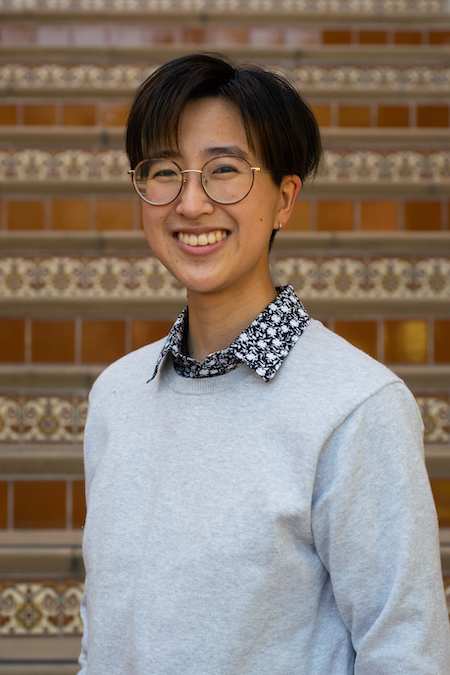
Annabel Gong is a master’s student at the University of San Diego studying the movement of the shovelnose guitarfish and California bat ray along the Southern California coast. Annabel is also the co-host of the podcast LGBTQ+ STEM Cast, a podcast where they interview LGBTQ+ identifying STEM professionals from around the world. Annabel is a huge shark enthusiast and is currently applying to PhD positions to continue their work in shark and ray movement ecology.
Panel Planners and Moderators

Dr. Heather Penney
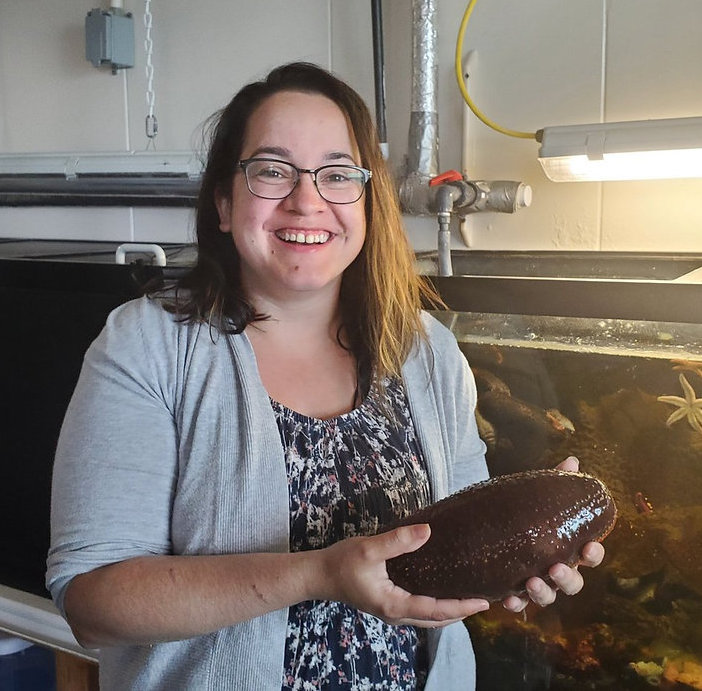
Heather Penney is a Postdoctoral Fellow at Memorial University in Newfoundland Canada. She is an evolutionary ecologist currently working on sea cucumbers. Outside of her primary job she helps plan conferences and workshops.

Dr. Ashley Scarlett, Founder of Absolutely Smashing Events and Consulting
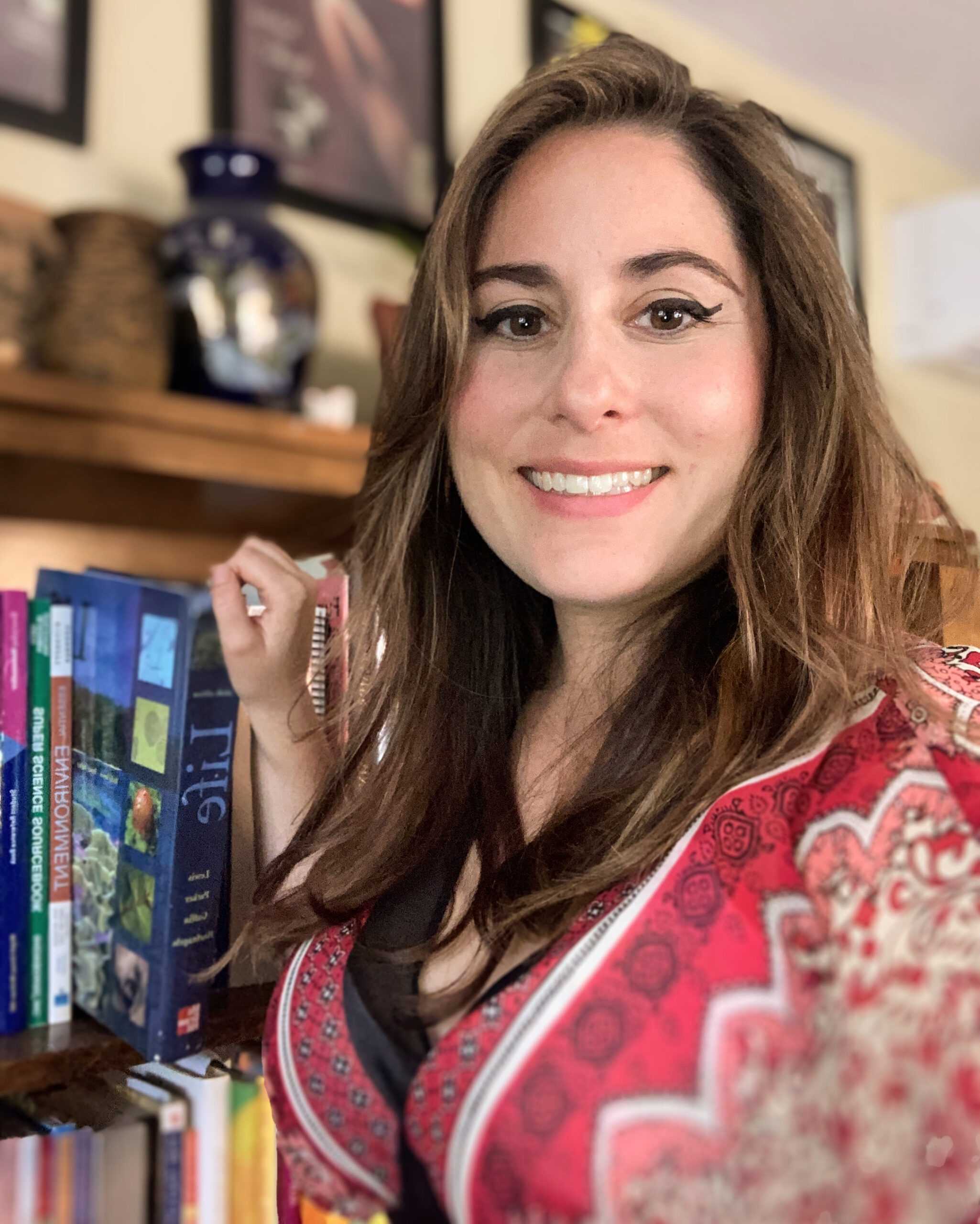
Ashley Scarlett is a scientist that specializes in marine mammal science and science communication. She is a consultant of social media, product or service promoting, video & podcast production (editing, hosting, etc), outreach, events planning, and her favorite mindful conservation advocacy.

Please direct any questions or comments about the webinar to Dr. Ashley Scarlett.

If you have suggestions for future webinars in this series, please direct them to the SMM ad hoc Diversity and Inclusion Committee.

SMM Seminar Editors’ Select Series: Patterns of mortality in endangered Cook Inlet beluga whales

You are invited to the next edition of the SMM Seminar Editor’s Select Series. This series highlights the latest and most exciting marine mammal science published in the Marine Mammal Science Journal. The SMM created this series to give scientists and citizens around the world a chance to engage with marine mammal scientists, learn and ask questions. All are welcome.

Join us on Tuesday, 16 November 2021 at 2 PM AKST (3 PM PDT / 10 PM UTC)
for the next SMM Seminar Editors’ Select Series:
Patterns of mortality in endangered Cook Inlet beluga whales:
Insights from pairing a long-term photo-identification study with stranding records with Dr. Tamara McGuire of the Cook Inlet Beluga Whale Photo-ID Project.

Free to attend. Registration required. Presented online on Zoom.
Register here: https://us06web.zoom.us/webinar/register/WN_O7140C1TR7-CREClYeWLkw
Space on Zoom is limited to the first 500 attendees. The talk will also be streamed live on the SMM Facebook page.

About this talk:
To understand why endangered beluga whales in Cook Inlet Alaska are not recovering despite over a decade of legal protections, we need to understand recent demographic patterns and sources of the population’s mortality. We used photographic records of individually identified live belugas collected over 13 years and combined them with stranding data from belugas found dead during the same period to assess mortality patterns.  Dead females and males were evenly represented. For both males and females, mortality rates were greatest in reproductive-aged adults, and there were no very-old adults. Live stranding was the most commonly assigned cause of death, but did not account for the majority of deaths. The cause(s) of most deaths and live strandings were undetermined. Our analysis advances the current understanding of mortality patterns in CIBWs, but linking a greater proportion of carcasses to photo-ID individuals and collecting more data from stranded carcasses would further improve our understanding of the causes of mortality in this population; we conclude with recommendations for achieving this.

About the presenter and co-authors:
Dr. Tamara McGuire is the Principal Investigator for the Cook Inlet Beluga Whale Photo-ID project. She has studied marine mammals for over 25 years and is interested in habitat use, life history, behavior, and the effects of human activities on endangered and threatened aquatic species and their habitats. She has studied marine mammals in Alaska since 2006, and before that on the Oregon Coast and in the Orinoco and Amazon River Basins. She has worked with Federal, Tribal, and State agencies, NGOs, and private industry. She led the Cook Inlet Beluga Recovery Team and is an advocate for collaborative research. Kim Shelden is a marine biologist for the National Oceanic and Atmospheric Administration based at the Marine Mammal Laboratory of the Alaska Fisheries Science Center. She has worked for the Cetacean Assessment and Ecology Program since 1990 studying species present seasonally and year-round in Alaska waters including Cook Inlet belugas, North Pacific right whales, bowhead whales, gray whales, Pacific white-sided dolphins, and harbor porpoise. Dr. Gina Himes Boor is Assistant Research Professor in the Ecology Department Montana State University. Her research focuses on developing models to better understand the demographic and spatial-use patterns that contribute to the decline and recovery of imperiled species. Amber Stephens has studied marine mammals since 1998, including beluga whales, Steller sea lions, harbor seals, narwhals, and Pacific walrus.  A CI on the CIBW Photo-ID Project, her responsibilities include cataloging, field work, public outreach, and website management. John McClung joined the Cook Inlet Beluga Whale Photo-ID Project in 2017 and has over ten years of photo-identification experience of cetaceans including humpback whales, melon-headed whales, and belugas. Prior to receiving his MS in wildlife science from Oregon State University, he served 26 years in the U.S. Air Force. Christopher Garner is a biologist for the Department of Defense at Joint Base Elmendorf-Richardson.  He has studied beluga and harbor porpoise in upper Cook Inlet since 2001 with emphasis on beluga ecology within rivers emptying into a hypertidal region as well as the effects of military activity on marine mammals and their prey. Dr. Carrie Goertz is the Director of Animal Health at the Alaska SeaLife Center where she oversees veterinary care for animals in the aquarium and out in the field, working with sea birds, fish, invertebrates, sea otters, seals, sea lions, beluga, and other marine animals. Dr. Kathy Burek Huntington has been the pathologist for the Alaska stranding program and in particular for the Cook Inlet belugas for 23 years and works collaboratively with the rest of the stranding network throughout Alaska. She is particularly interested in emerging pathogens, harmful algal bloom toxins, pathology, the intersections of these topics with climate change, and mentoring young scientists in pathology. Dr. Greg O’Corry-Crowe is a behavioral ecologist and geneticist focused on marine mammals and conservation. He runs the Wildlife Evolution and Behavior (WEB) program at Harbor Branch Oceanographic Institute and is a research professor at Florida Atlantic University. Bruce Wright is an ecologist with the Knik Tribe whose work focuses on Alaska marine and terrestrial top predators.

Open access to all Marine Mammal Science papers is available to current SMM members. Open access to this article will be made temporarily available to the public during the week prior to and of the presentation.

Missed a presentation or want to share this series with a friend? All previous Editors’ Select  presentations are recorded and archived on our YouTube channel here: https://www.youtube.com/playlist?list=PLUc78IynQlubS2DVS1VZoplf_t42-yZOO

Editor’s Select Series Seminar: A comparison of Northeast Atlantic killer whale call repertoires

The SMM Seminar Editor’s Select Series highlights the latest and most exciting marine mammal science published in the Marine Mammal Science Journal. The SMM created this series to give scientists and citizens around the world a chance to engage with marine mammal scientists, learn and ask questions. All are welcome.

21 October 2021 at 4 PM UTC (9 AM PDT)
SMM Editors’ Select Series Seminar: A comparison of Northeast Atlantic killer whale call repertoires
with Anna Selbmann of University of Iceland

The SMM Seminar Editors’ Select Series highlights the latest and most exciting marine mammal science published in the Marine Mammal Science Journal. This is your chance to engage with marine mammal scientists, learn and ask questions from anywhere in the world. All are welcome.

About this talk:
Killer whale call repertoires can provide information on social connections among groups and populations. Killer whales in Iceland and Norway exhibit similar ecology and behavior, are genetically related, and are presumed to have been in contact before the collapse of the Atlanto-Scandian herring stock in the 1960s. However, photo-identification suggests no recent movements between Iceland and Norway but regular movement between Iceland and Shetland. We used acoustic recordings collected in Iceland, Norway, and Shetland to undertake a comprehensive comparison of the call repertoires of Northeast Atlantic killer whales. Time and frequency parameters of calls from Iceland and Norway were relatively similar but no call type matches were confirmed between Iceland and Norway or Shetland and Norway. Three call types matched between Iceland and Shetland. Therefore, these findings agree with what is currently known of the movement patterns of these whales but argue against past contact between Icelandic and Norwegian killer whales, since call repertoires are thought to be maintained over time.

About the presenter:
Anna Selbmann is currently a PhD student at the University of Iceland investigating killer whale acoustic behaviour and interspecific interactions between pilot whales and killer whales. She gained a BSc in Marine Vertebrate Zoology from Bangor University (UK) in 2015 and completed her Masters of Biology at the University of Iceland in 2019 investigating the call repertoire of Icelandic killer whales and comparing it to the repertoire of Norwegian killer whales.

Missed a presentation or want to share this series with a friend? All previous Editors’ Select  presentations are recorded and archived on our YouTube channel here: https://www.youtube.com/playlist?list=PLUc78IynQlubS2DVS1VZoplf_t42-yZOO

Webinar on Research Challenges in Asia

Webinar on Research Challenges in Asia 

Overcoming Challenges in the Lands of Dragons and Mermaids:
Stories of Struggles and Triumphs in Marine Mammal Science and Conservation in Diverse Asia

Thursday, 7 October 2021
New York, United States,  8:00am – 9:30am (EDT); Delhi, India Mon, 5:30pm – 7:00pm (IST); Rangoon, Myanmar  6:30pm – 8:00pm (GMT+630); Kuala Lumpur, Malaysia 8:00pm – 9:30pm (GMT+8)

About the Event
To highlight matters of diversity, inclusion and equity (DEI) within the SMM, the ad hoc Diversity and Inclusion Committee are organising four DEI-related webinars. The first focused on “Equity in Internships” and can be found here.

The second webinar in this series focused on research in Asia and issues around conducting marine mammal science in low-income countries.

During this webinar, four Asian researchers presented aspects of their research and how they achieved success working with limited resources but with an abundance of regional encouragement and camaraderie! The speakers were joined by several other researchers for a panel discussion, moderated by two members of the SMM Board who both live and work in Asia. The panel discussion focused on the diversity of people, cultures and disciplines of marine mammal work in Asia.

Speakers and Panelists

  • Jo Marie Acebes, National Museum of the Philippines and BALYENA.ORG, Philippines
    Balancing the Banca: Overcoming Challenges in Marine Mammal Research in the Philippines
  • Wint Hte,  Myanmar Coastal Conservation Lab (MMCL), Myanmar
    Diving into Marine Mammal Conservation in Myanmar: Opportunities, Growths and Challenges
  • Louisa Ponnampalam – The MareCet Research Organization, Malaysia
    It can be done on a shoestring budget! A Malaysian marmam research and conservation story
  • Weerapong Laovechprasit “Mac” – University of Georgia, National Thailand Strandings Programme, Thailand
    Turning strandings into a powerful resource for cetacean conservation in a resource limited environment.
  • Long Vu – Center for Biodiversity Conservation and Endangered Species (CBES), Vietnam
  • Wei-Cheng Yang – National Taiwan University, Taiwan

Moderators

  • Cindy Peter (SMM Member at Large) – Sarawak Dolphin Project, Universiti Malaysia Sarawak, Malaysia
  • Lindsay Porter (SMM Awards Committee Chair) – Southeast Asia Marine Mammal association (SEAMMAM) and the Asian Marine Mammal Stranding Network (AMMSN), Hong Kong

Please direct any questions about the webinar to Eric Archer and Tara Cox at diversity@marinemammalscience.org.

Meet the Presenters

Speakers

Jo Marie Acebes “Jom”

Balancing the Banca: Overcoming Challenges in Marine Mammal Research in the Philippines

Jom is a Senior Museum Researcher at the Zoology Division of the National Museum of the Philippines. She is also the Founder and Principal Investigator of a non-profit organization called BALYENA.ORG, with a mission to support the conservation of whales and dolphins and their natural habitats in the Philippines through research, education and capacity-building.

Twitter
Website


Wint Hte

Diving into Marine Mammal Conservation in Myanmar: Opportunities, Growths and Challenges

Wint is a co-founder of the Myanmar Coastal Conservation Lab (MMCL), a local youth-based organisation. As a conservation practitioner, researcher and trainer, Wint is eager to promote interdisciplinary, inclusive and innovative solutions for conservation and management in Myanmar. Wint and his collaborators were the winners of the SMM J. Stephen Leatherwood Memorial Award at the 2019 World Marine Mammal Conference (Barcelona, Spain) for their excellent conservation research in Asia, achieved through collaboration and community engagement.

Facebook
LinkedIn


Louisa Ponnampalam

It can be done on a shoestring budget! A Malaysian marmam research and conservation story

Louisa is the co-founder and Executive Director of The MareCet Research Organization, a grassroots NGO focused on the research and conservation of marine mammals and their habitats in her native Malaysia. Louisa is a Pew Marine Fellow and also Asia Co-Coordinator for the IUCN Cetacean and Sirenia Specialist Groups. Louisa is the Diversity Chair for the SMM 2022 Conference in Florida, USA.

Instagram
Twitter


Weerapong Laovechprasit “Mac”

Turning strandings into a powerful resource for cetacean conservation in a resource limited environment.

Mac is a marine-life veterinarian who is currently conducting his Ph.D. at the University of Georgia, USA. Mac was one on the founding veterinary staff of the National Thailand Strandings Programme. After working on one of the most comprehensive strandings programmes in Asia, Mac is further his skill set and is working on advanced molecular diagnosis development in sea turtles and marine mammals.

Twitter
Facebook


Panel Speakers

Long Vu

Long is a trained ecologist and conservationist, who started studying marine mammals in 2012. Currently, his work focuses on narrowing information gaps in our knowledge of the marine mammals of Vietnam to better inform conservation and management. Long founded Vietnam’s only dedicated marine mammal NGO, Center for Biodiversity Conservation and Endangered Species (CBES). Long was the winner of the SMM EBS Award for conservation focused research in 2019.

Facebook (Personal)
Facebook (CBES)


Wei-Cheng Yang “Jack”

Jack is an Associate Professor in the School of Veterinary Medicine and the Institute of Ecology and Evolutionary Biology at the National Taiwan University, National Taiwan University. His research projects investigate pathogens and diseases, noise-related stress evaluation, diagnostic tool development and cetacean conservation medicine. Jack is an active member of the Asian Marine Mammal Strandings Network (AMMSN) and he recently secured substantial government support that allows his institute to act as a regional hub for marine mammal sample analyses. Jack became a member of the SMM Awards Committee in 2020 and has been a judge at the SMM Conference since 2017.

Website
ResearchGate


Moderators

Cindy Peter
SMM Member-at-Large

Cindy was a founding member of the first marine mammal research programme in Sarawak, Malaysia, the Sarawak Dolphin Project. After completing her masters, Cindy took up a lectureship position at the Institute of Biodiversity and Environmental Conservation (IBEC), Universiti Malaysia Sarawak, where she leads research projects focusing on cetacean interactions with local fisheries. Cindy became the SMM Member at Large in 2020.

Facebook


Lindsay Porter
SMM Awards Committee Chair

In 1993, Lindsay moved to Hong Kong to conduct her PhD and has lived and worked in Asia ever since. Lindsay is one of the founding members of the Southeast Asia Marine Mammal association (SEAMMAM) and the Asian Marine Mammal Stranding Network (AMMSN) and collaborates with many institutes and NGO’s within Asia and is a strong advocate of regional collaboration that strives to improve the status of cetaceans and sirenians throughout Asia, As Awards Chair for the SMM, Lindsay has established a committee of globally diverse participants with representatives from eight (8) countries spanning the Americas, Asia, Europe and Oceania and claims to have one of the best roles in the SMM.

ResearchGate

Editor’s Select Series Seminar: Echolocation behaviour of fish-eating killer whales during pursuit and capture of salmon prey

The SMM Seminar Editor’s Select Series highlights the latest and most exciting marine mammal science published in the Marine Mammal Science Journal. The SMM created this series to give scientists and citizens around the world a chance to engage with marine mammal scientists, learn and ask questions. All are welcome.


Guest, Brianna Wright of Fisheries and Oceans Canada (DFO) presents: “Echolocation behaviour of fish-eating killer whales during pursuit and capture of salmon prey

September 23, 2021 4-5:30 pm PDT (11 PM-1230 AM UTC)
Online. Free to attend. 

About this talk:
We used high-resolution acoustic and movement tags (Dtags) to analyse the echolocation behaviour of fish-eating killer whales during pursuit and capture of salmon prey. Whales produced more echolocation trains and had faster clicking rates prior to catching salmon versus afterward, confirming the importance of echolocation in prey detection and tracking. Extremely rapid click sequences (buzzes) occurred in the lead-up to salmon captures at depths typically exceeding 50 m, and were likely used for close-range prey targeting. Distinctive crunching sounds related to prey handling occurred at shallow depths following captures, matching observations that whales surfaced with salmon prior to eating them and often shared their prey.

About the presenter:
Brianna Wright received her B.Sc. majoring in Biology and Anthropology from the University of Victoria in 2007. During her undergrad she also participated in the UVic Biology Co-op program and studied at the Bamfield Marine Sciences Centre. From 2008-2010, she worked as a Technician with the Cetacean Research Program of Fisheries and Oceans Canada (DFO) before returning to school and completing her M.Sc. in 2014 at UBC’s Marine Mammal Research Unit under the supervision of Dr. John Ford and Dr. Andrew Trites. Brianna’s thesis investigated the fine-scale foraging behaviour of resident killer whales using suction-cup attached tags that recorded dive depth, body position and acoustic behaviour of individual whales. She returned to work with DFO’s Cetacean Research Program at the Pacific Biological Station in Nanaimo in July 2014, and is currently a marine mammal Biologist with this group. She has participated in killer whale and sea otter census surveys and offshore ship and aerial distance-sampling surveys for cetaceans. Analytically, her recent work has focused on spatial density modelling of survey data for cetacean species to estimate their distribution and abundance. She also conducts assessments of killer whale diet composition and prey sharing behaviour through field collection and analysis of prey remains.

Open access to all Marine Mammal Science papers is available to current SMM members. Open access to this article was made temporarily available to the public between September 20-September 30, 2021.

Missed a presentation or want to share this series with a friend? All previous Editors’ Select  presentations are recorded and archived on our YouTube channel here: https://www.youtube.com/playlist?list=PLUc78IynQlubS2DVS1VZoplf_t42-yZOO